Acrylic VS PS Sheet
First, the price gap is significant, but the performance gap is even wider.
For procurement staff in the advertising fabrication, display props, and interior decoration industries, acrylic (PMMA) and polystyrene (PS) sheets look extremely similar — especially transparent sheets of the same thickness, which are nearly indistinguishable to the naked eye. Yet the price difference can exceed 100%, and the performance gap is even wider.
Second, weatherability — the most critical difference.
Acrylic can maintain its clarity and color stability outdoors for 5 to 8 years, and even longer when UV stabilizers are added. PS sheet, by contrast, may begin to yellow within 6 to 12 months of direct sun exposure, and also becomes brittle in humid environments. This means an outdoor sign or light box made from PS sheet may discolor and crack within a year — and the cost of customer complaints and rework far exceeds the material savings.
Third, impact resistance — PS sheet is so brittle it “shatters at a touch.”
Standard PS sheet has a notched impact strength of only 1 to 3 kJ/m², while acrylic can reach 15 to 20 kJ/m² — a gap of more than tenfold depending on test method and sheet grade. In industry shorthand, PS sheet “can’t take a hit.” Worse, PS sheet breaks into sharp, jagged edges, posing a safety hazard in public spaces, whereas acrylic fractures into large, blunt-edged pieces and is far safer.
Fourth, light transmission and finish.
Acrylic has a light transmission rate of up to 92%, exceeding ordinary glass, with a crystal-clear, transparent appearance. PS sheet transmits 88% to 92%, which seems close, but it often has lower surface gloss and is more prone to surface defects. For high-end cosmetics displays, premium signage, and other applications where visual impact matters, PS sheet simply cannot hold its own.
Acrylic Sheet vs PS Sheet: Comparison Table
| Comparison Item | Acrylic (PMMA) | PS Sheet (Polystyrene) |
| Chemical Name | Polymethyl methacrylate | Polystyrene (usually GPPS) |
| Common Name | Plexiglas, acrylic sheet | PS sheet, styrene sheet |
| Light Transmittance | 92%–93%, excellent | 88%–92%, slightly inferior |
| Density | Approx. 1.19 g/cm³, heavier | Approx. 1.02–1.08 g/cm³, lighter |
| Weather Resistance | Excellent, can last 10+ years outdoors | Poor, yellows and becomes brittle easily, indoor use only |
The price reality: PS sheet is cheap, but cheap comes at a cost.
PS sheet’s core advantage is price. According to market conditions, raw PS material typically costs 30% to 50% less than acrylic, and in finished sheet form, PS sheet of the same specification can be priced at just 40% to 60% of acrylic sheet.
But “cheap” must be viewed across the full lifecycle. An acrylic sheet used outdoors can last more than 5 years without discoloration, while a PS sheet begins aging within six months, and may need to be replaced several times as often as acrylic. For any project requiring long-term use, acrylic’s higher upfront price is actually the more economical choice.
Selection guide: which sheet for which application.
Use acrylic without compromise when:
Outdoor advertising light boxes and illuminated signage
Architectural glazing and daylighting
Heat-bent, irregularly shaped display stands
High-clarity optical applications
Any project with requirements for weatherability and service life
PS sheet may be considered when:
Indoor short-term display panels
Single-use event materials
Picture frame backing
Flat decoration on an extremely tight budget that will definitely not be exposed to sunlight
One caveat: PS sheet is difficult to heat-bend and prone to cracking, making it unsuitable for most demanding forming processes.
What our factory can supply.
As a professional acrylic sheet manufacturer, we supply PMMA sheets in a wide range of specifications to meet different project requirements:
Material: 100% virgin PMMA, available in both standard and UV-stabilized grades
Thickness: 1 mm to 50 mm (custom thickness available on request)
Standard sheet sizes: 1220 × 2440 mm, 1250 × 2450 mm, 2050 × 3050 mm, and custom cut-to-size service
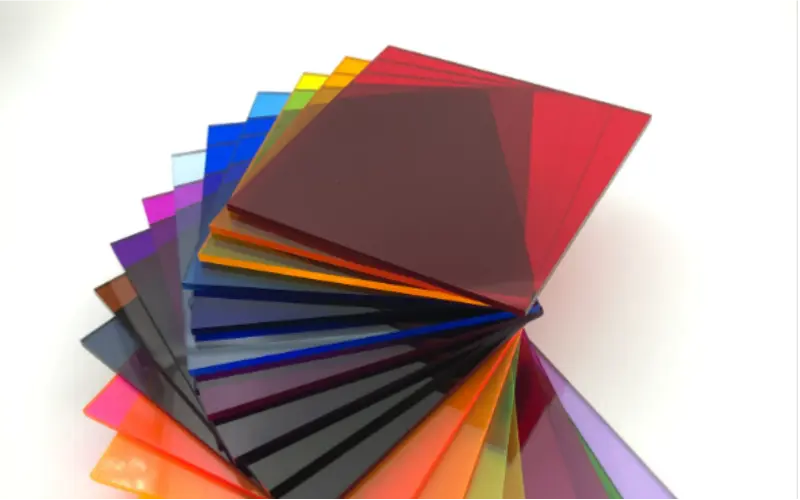
Color options: clear, opal, black, white, and custom colors
Surface types: glossy, matte, and frosted
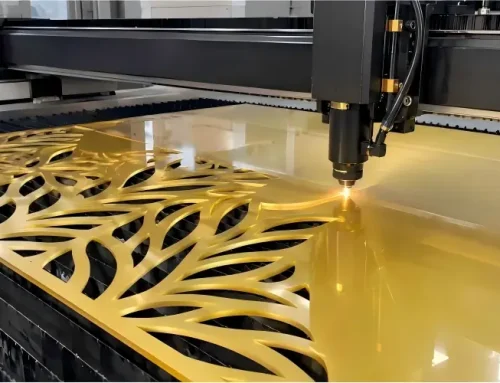
Forming services: heat bending, CNC cutting, polishing, drilling, and edge finishing
Quality assurance: material test reports confirming 100% PMMA resin, not PS, are available for every order
Samples: free samples can be provided for weatherability and impact testing before bulk purchase
For outdoor signage, light boxes, architectural glazing, and any application requiring long-term weatherability, we recommend our UV-stabilized acrylic sheet, which is designed to maintain clarity and color stability for 8–10 years outdoors.
If you have a specific project, CONTACT US to send your drawing or specification, and we will recommend the most suitable sheet grade and thickness.