Acrylic Woven Bamboo Panels (Imitating Rattan)”. It differs significantly from pure woven bamboo panels and is a composite innovative material.
I. Main Materials Used
The core of this panel lies in its “composite” nature, formed by combining two primary materials:
Surface Layer / Decorative Layer
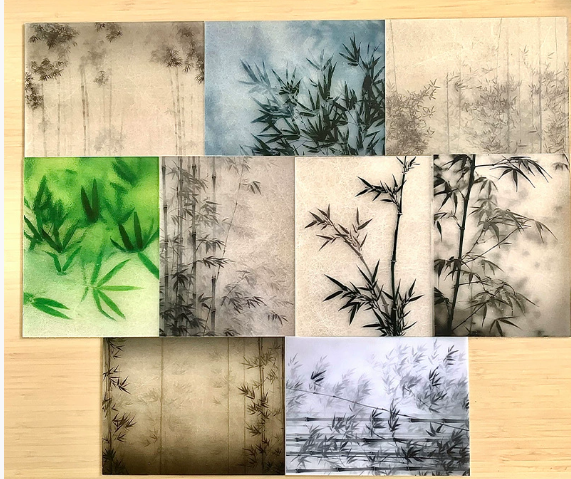
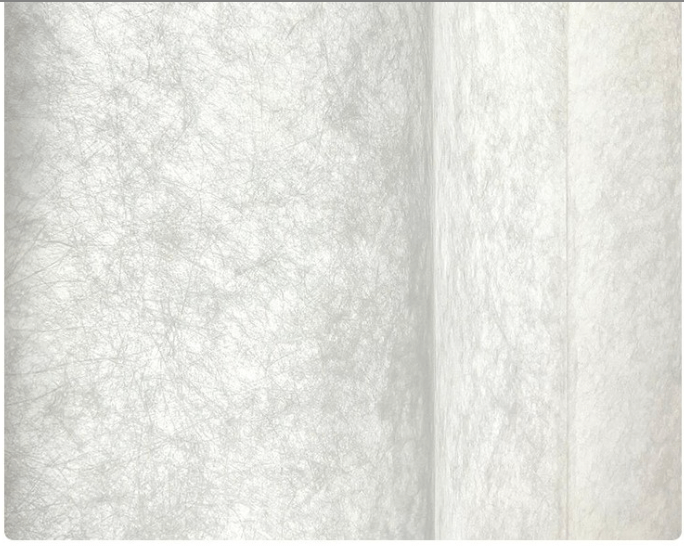
Woven Bamboo or PVC/PET Film Imitating Bamboo Weaving Real Woven Bamboo Layer (High-end Products) : First, natural bamboo strips are woven into a predetermined pattern. Then, through a lamination process, they are embedded between two high-quality acrylic sheets. This perfectly preserves the three-dimensional texture and natural feel of the bamboo weave, while also protecting it via the acrylic sheets.
Manufacturers create printed film that imitates bamboo weaving by treating PVC or PET plastic film with advanced printing and embossing technology to achieve an extremely realistic color and three-dimensional texture. They then sandwich this film between acrylic layers or laminate it onto the surface of the acrylic sheet.
Substrate / Structural Layer: Acrylic (PMMA)
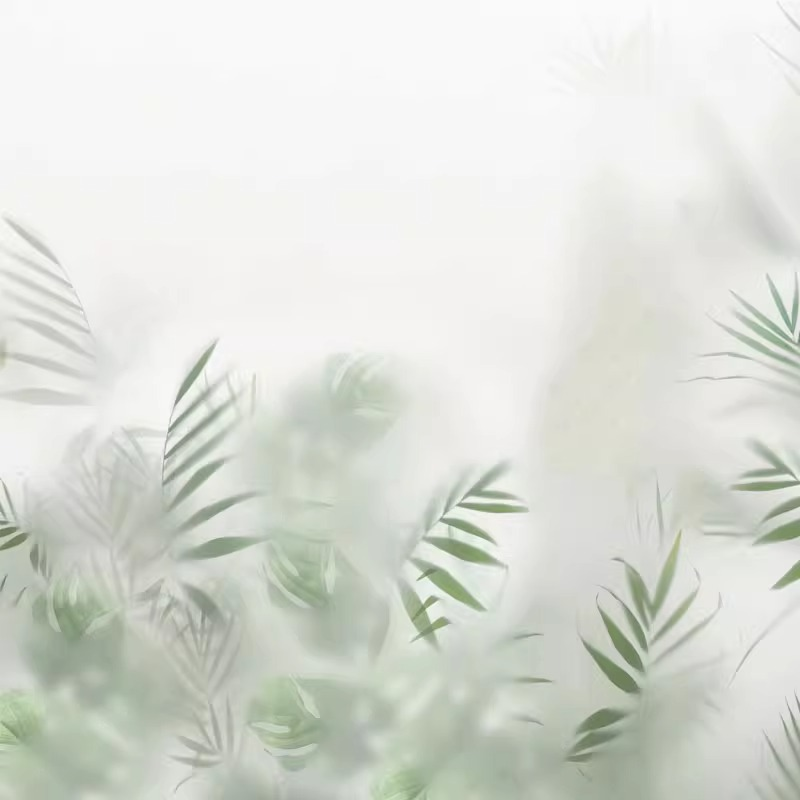
This is the origin of the “acrylic sheet” name. Acrylic is a high-performance plastic, commonly known as “plexiglass”.
Core Advantages It Provides:
High Light Transmittance and Aesthetics : Extremely high transparency and a strong sense of clarity, far surpassing glass and ordinary plastics.
Excellent Weather Resistance: Strong UV resistance, unlikely to yellow or become brittle with prolonged use.
High Strength and Easy Processability : Impact resistance is more than 10 times that of ordinary glass, and it is easy to cut, bend, and thermoform.
High Surface Hardness: Wear-resistant, easy to clean and maintain.
Composite Process
The sandwich method is typically used. The decorative layer (real woven bamboo or imitation bamboo weaving film) is sandwiched between two transparent acrylic sheets, bonded with adhesive or thermally laminated. This process perfectly protects the decorative pattern, preventing it from ever peeling off, and gives the entire panel excellent physical properties.
Why Was This Material Developed?
It combines natural aesthetics with modern material performance:
Compensates for the Shortcomings of Pure Woven Bamboo: Pure bamboo weaving is afraid of water, prone to dust accumulation, difficult to clean, and has limited strength. The acrylic layer perfectly solves these problems, making it waterproof, moisture-proof, easy to wipe clean, and sturdy.
Achieves Design Effects: It offers the visual and light-shadow effect of bamboo/rattan weaving, while possessing the modern, pure texture of acrylic, making it highly suitable for modern design styles.
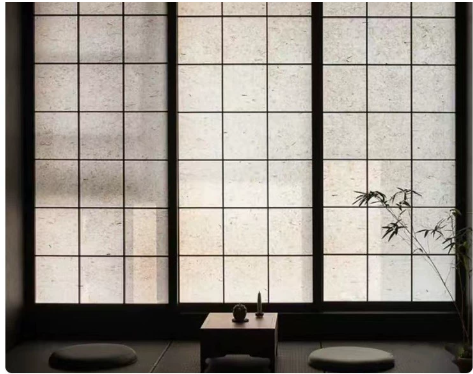
II. Application Scope
Due to its combination of high aesthetic appeal and high performance, acrylic woven bamboo panels (imitating rattan) have a wider range of applications than pure woven bamboo panels, especially in situations requiring weather resistance and easy cleaning.
Indoor Partitions and Screens (Core Application)
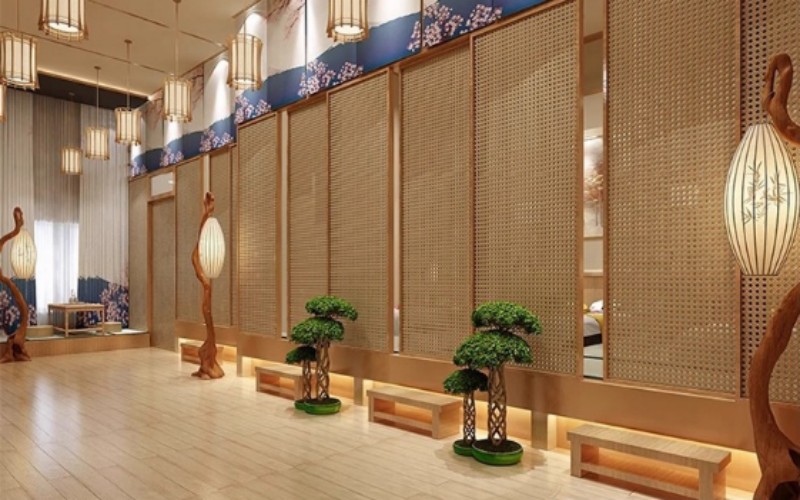
Space Zoning: Used for partitions in areas like living rooms, dining rooms, and entryways. Their transparency ensures lighting and spatial continuity, while the unique texture serves as excellent decoration.
Decorative Screens: Act as independent art installations to enhance the spatial ambiance.
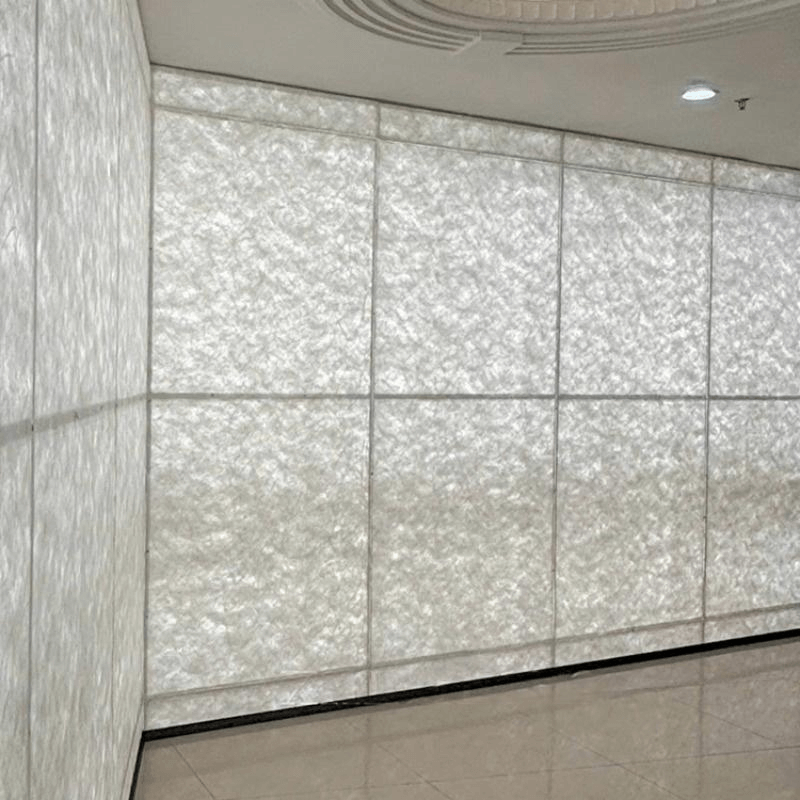
Furniture Manufacturing and Decoration
Cabinet Doors: Widely used for wardrobe doors, bookcase doors, and kitchen cabinet doors. The acrylic surface is smooth like glass, making it very easy to clean off grease, and the bamboo weave texture can hide clutter inside the cabinet.
Tabletops and Chair Backs: Used for dining tables, coffee table surfaces, or as inlay material for chair backs, offering both durability and design appeal.
Headboards: Creates modern minimalist or wabi-sabi style bedroom accent walls.
Commercial Spaces and Architectural Decoration
Store Renovation: Widely used in commercial spaces such as restaurants, cafes, boutique hotels, and beauty salons as partitions, wall decorations, or storefront elements, creating a natural yet fashionable atmosphere.
Building Interiors: Used for interior walls, railings, etc., in office buildings and exhibition halls.
Lightbox Advertising utilizes its light-transmitting properties to create unique textured advertising lightboxes that produce soft light and a strong atmospheric feel.
Door and Window Applications
Interior Door Panels: Used for interior doors in areas like bathroom dry-wet separation zones and walk-in closets, ensuring privacy without feeling oppressive.
Interior Window Panes: Adds decoration and a sense of Hazy feeling while maintaining window functionality.
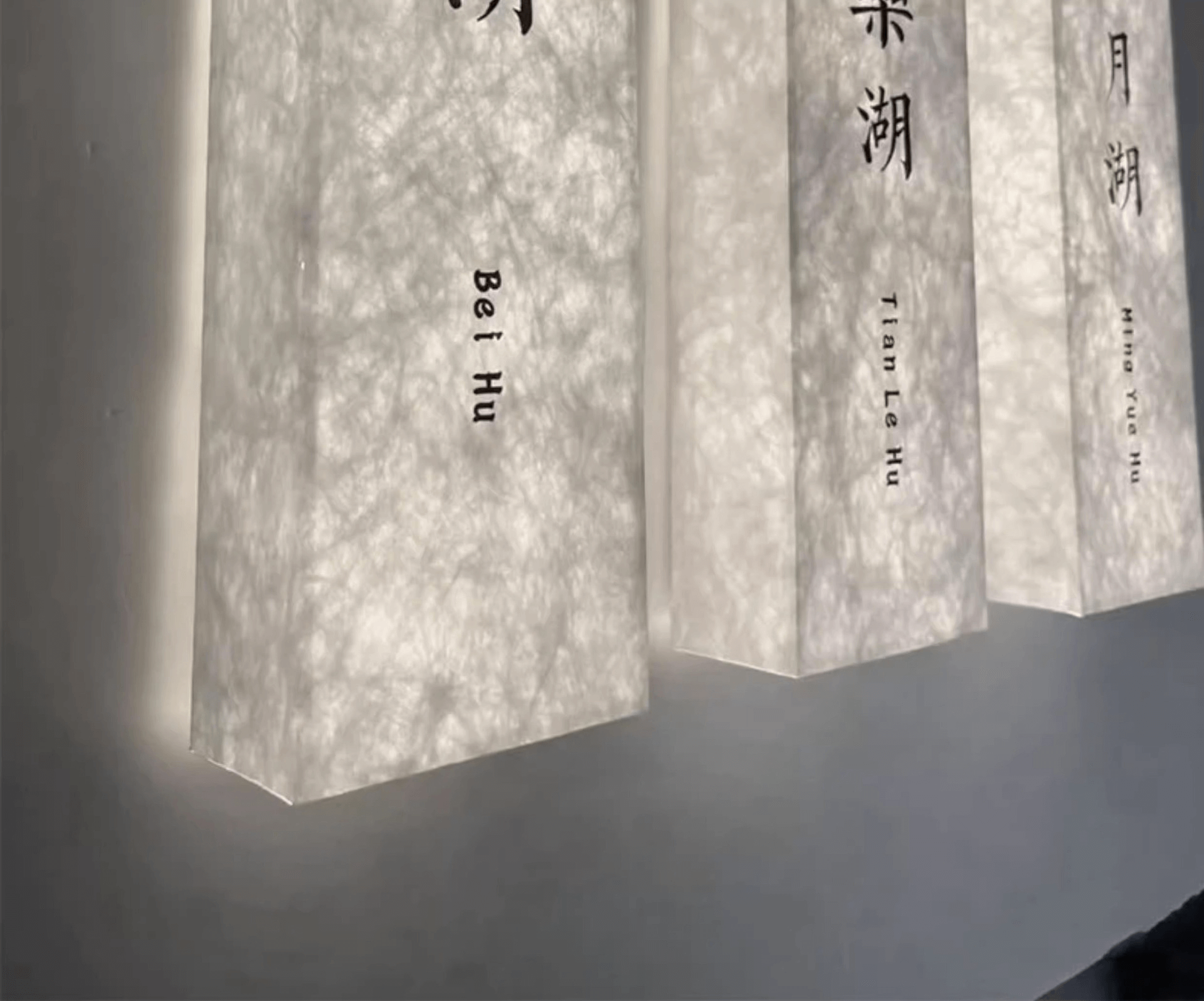
Lighting Fixtures
Lampshades/Light Boxes: An excellent material for creating artistic lighting fixtures. Light passing through the acrylic and bamboo weave texture creates very soft, layered light and shadow effects.
| Aspect | Description |
| Material Essence | A composite panel formed by laminating a surface layer (real woven bamboo or printed film imitating bamboo weave) onto an acrylic sheet substrate. |
| Core Characteristics | Natural appearance, realistic texture, good transparency, sturdy and durable, waterproof and moisture-resistant, easy to clean, strong weather resistance. |
| Primary Applications | High-end indoor partitions, modern furniture (especially cabinet doors), commercial space decoration, advertising lightboxes, artistic lighting fixtures. Suitable for styles such as modern minimalist, lightweight luxury, new Chinese, and wabi-sabi. |
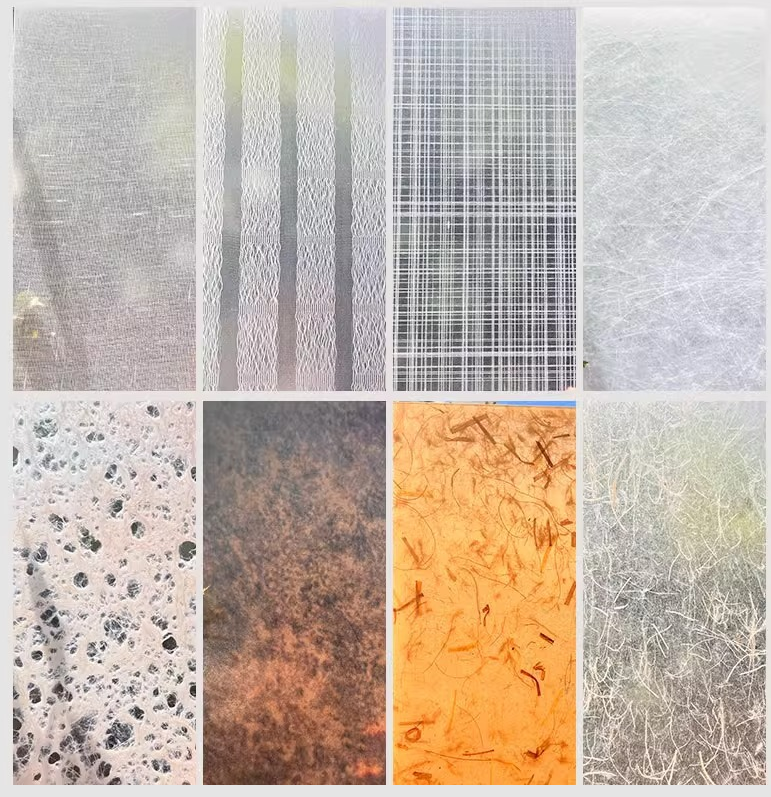
In simple terms, acrylic woven bamboo panels (imitating rattan) build upon the “aesthetics” of pure bamboo weaving by adding the “performance” of acrylic, making them a high-end decorative material more suitable for modern living and commercial environments.